

Mistakes Traders Make In Prop Firm Challenges And How AI Stops Them The reason why most traders do not pass prop firm evaluations is that of improper risk management, emotional trading and being undisciplined.
This article helps us understand how enormous value can a trader get if they simply refrain from making stupid mistakes such as overtrading, revenge trading, and overleveraging — which artificial intelligence is unbeatable in preventing for traders.
Key Points & Mistakes Traders Make In Prop Firm Challenges and How AI Prevents Them
- Overtrading: Taking excessive trades out of impatience or a desire for fast profits.
- Revenge Trading: Immediately re-entering trades after a loss to try and recover funds instantly.
- Ignoring Risk Management: Violating maximum daily or total drawdown limits.
- Overleveraging: Using too high a lot size, which magnifies losses and triggers drawdowns.
- Lack of Plan/Strategy: Trading impulsively without a well-defined strategy or edge.
- Ignoring Rules: Failing to read or adhere to specific, strict prop firm rules.
- Time Pressure/Impatience: Forcing trades because of time constraints on the challenge.
- Moving Stop Losses: Enlarging or moving stop losses to prevent a loss from being realized.
- Poor Timeframe Selection: Using strategies that don’t fit the volatility or rules of the challenge.
- Emotional Trading: Letting fear, hope, and greed dictate entries and exits.
10 Mistakes Traders Make In Prop Firm Challenges and How AI Prevents Them
1. Overtrading
Traders take unnecessary trades too frequently, and this is termed as overtrading which happens due to excitement or fear of missing a good opportunity.
This is what leads to higher transaction costs and increased losses in prop firm challenges, it does so quickly. AI assists by identifying ideal market conditions, printing forth only those set-ups that are of high probability.
It eliminates poor trades and controls discipline by limiting query frequency. This helps traders remain selective, stick with the plan and avoid forced entries that can negatively impact overall performance.
2. Revenge Trading
Revenge trading is when traders start aggressively putting on trades emotionally to try and recover losses right after a loss. Which ultimately causes bigger losses and account violations in prop challenges.
AI systems exclude this by recording performance patterns and identifying emotional trading activity. AI can stop trading signals, or recommend cooldown periods when losses happened.
It encourages rational decision making rather than impulsive trends, ensuring that traders can reset mentally and come back to the market prepared with a tactical plan.
3. Ignoring Risk Management
Traders fail prop firm challenges, because they do not follow risk management rules related to position sizing and the daily loss limit. It puts accounts at unnecessary risk of drawdowns.
Artificial intelligence computes the ideal lot sizes for you, based on your account balance and risk percentage. It keeps track of exposure in real-time and notifies whenever limits approach.
AI works in this area by enforcing risk parameters that mean traders protect capital and remain consistent, which is crucial for passing challenges.
4. Overleveraging
That is, having position sizes relative to account size be too large (overleveraging) leading to accounts getting wiped out very fast.
This is one of the quickest ways you can lose in prop firm challenges. Depending on volatility and rules set in the account,
AI then reduces maximum leverage recommendations available to avoid over-leveraging an account. Of course, irresponsible trade sizes are limited and traders can stay within safe exposure levels.
This will prevent sudden margin calls or devastating losses and keeps accounts in a steady state throughout the day.
5. Lack of Plan/Strategy
If you enter the market and trade without a specific plan, you will make random decisions that always lead to unpredictable outcomes.
The negative nature of this environment is the fact that most prop firm traders can not and fail, because they often trade with their gut instead of trying to say an ordered methodology.
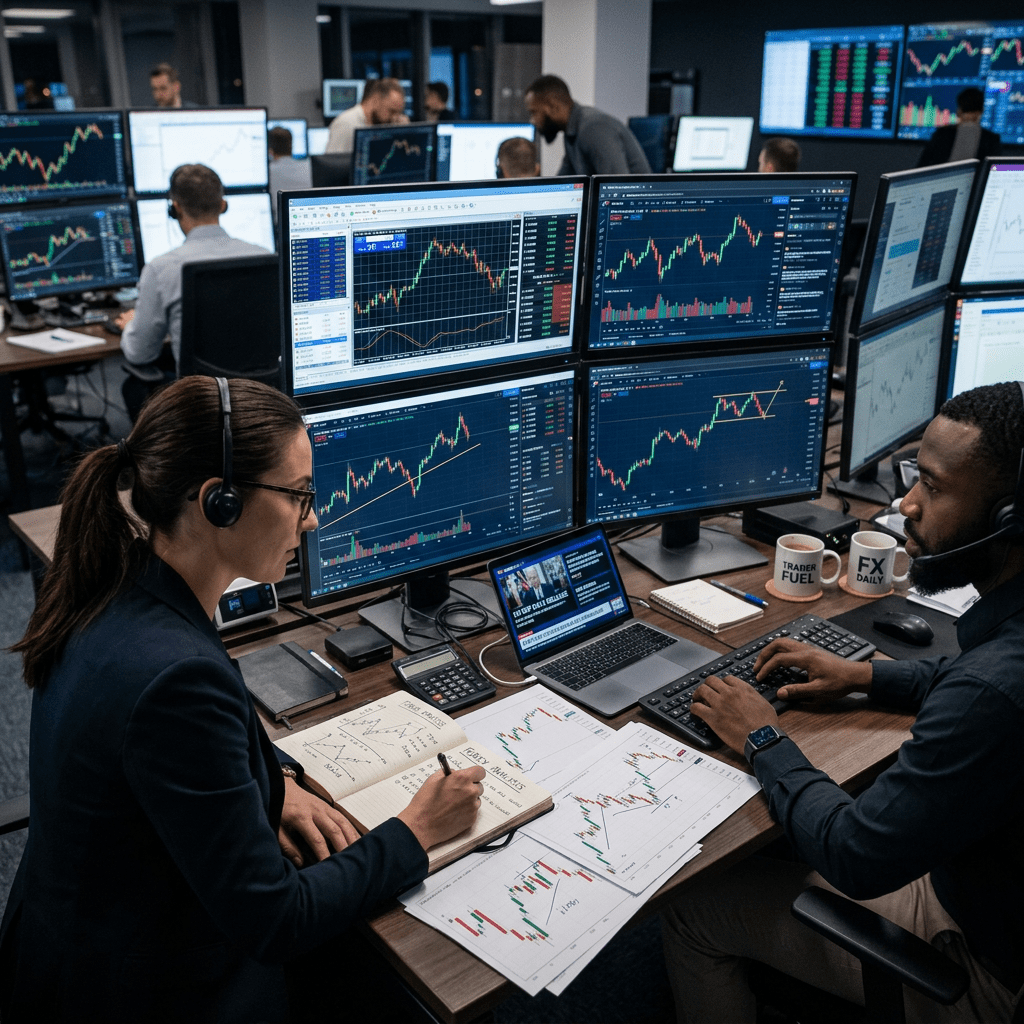
That is addressed by AI, which backtests strategies and offers data-driven trade setups. This is helpful for suggesting entry, exit, and stop-loss levels based on historical patterns.
AI provides the input of structured trade plans which ensure that traders remain consistent, disciplined and on track with proven strategies unlike impulsive or emotional trading.
6. Ignoring Rules
There are strict rules in place with prop firms about drawdown limits, news trading and consistency. Failure to adhere to these rules will usually see you promptly disqualified.
Traders failed to notice them either because of impatience or ignorance. Prop firm rules embedded into trading algorithms, as a result of AI systems.
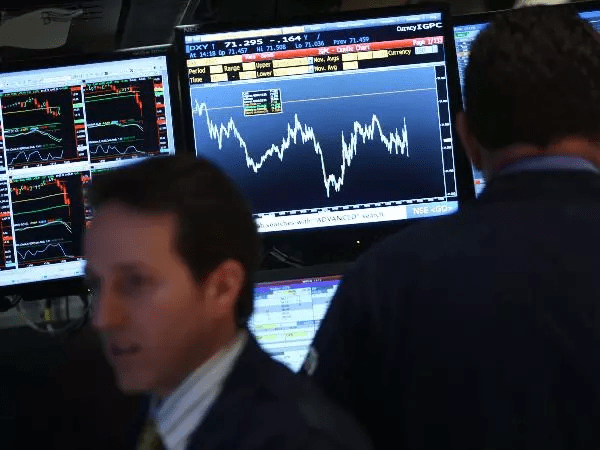
They automatically block any trade which violate conditions or risk limits. It guarantees full adherence to challenge specifications, minimizes human error and increases the likelihood of passing evaluation phases effectively.
7. Time Pressure/Impatience
Traders feel pressured to achieve their challenges within a time frame, pushing them to make decisions they otherwise wouldn’t. Being impatient often leads to bad setups and losses for no reasons.
AI minimizes this strain by detection of these best trading windows, suggesting self-optimization on when to enter. It allows traders to only focus on high-probability trades instead of fomo’ing into them.
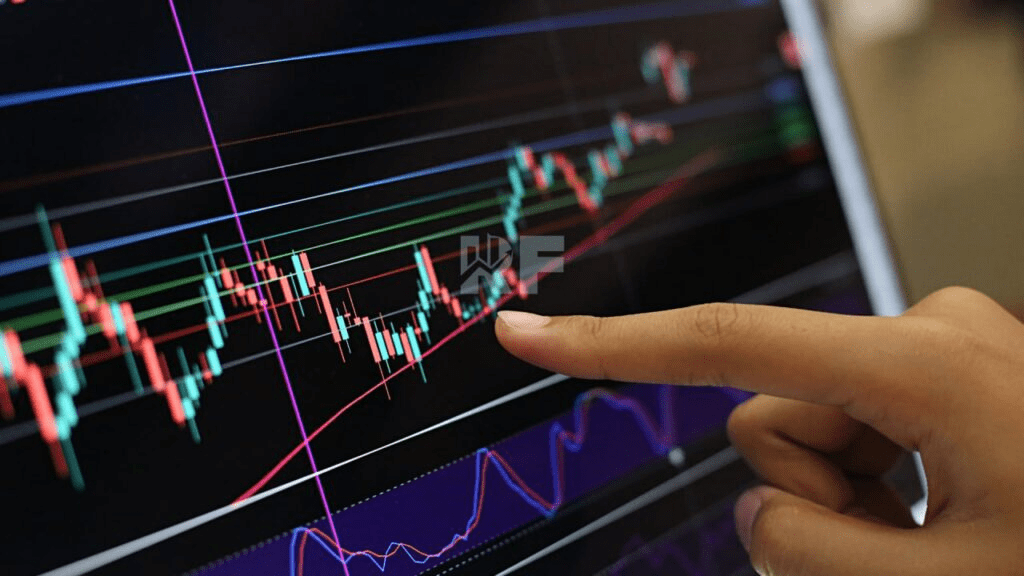
AI enables an intention based execution as opposed to urgency-based decisions, encouraging patience and structure (massive improvements in prop firm challenges)
8. Moving Stop Losses
One of the most common errors out there is fear of losing and to move stop loss away from the initial level. Instead this tends to turn small losses into big ones.
AI solves this problem by applying predetermined stop-loss rules rooted in technical analysis and volatility. AI does not allow a manual adjustment once we set the stop loss unless there is an observable change in the market structure.
It fosters discipline and enforces risk limit respect, allowing traders to reproduce consistent performance without having their emotions readjusted.
9. Poor Timeframe Selection
This causes you to misread signals and make incorrect trading decisions based on the wrong timeframe. Traders often jump between charts randomly, thus creating disarray.
For setups, AI aids by analyzing different timeframes at the same time and recommending which to use. Higher timeframes identify trend direction, and lower timeframes show entry points.
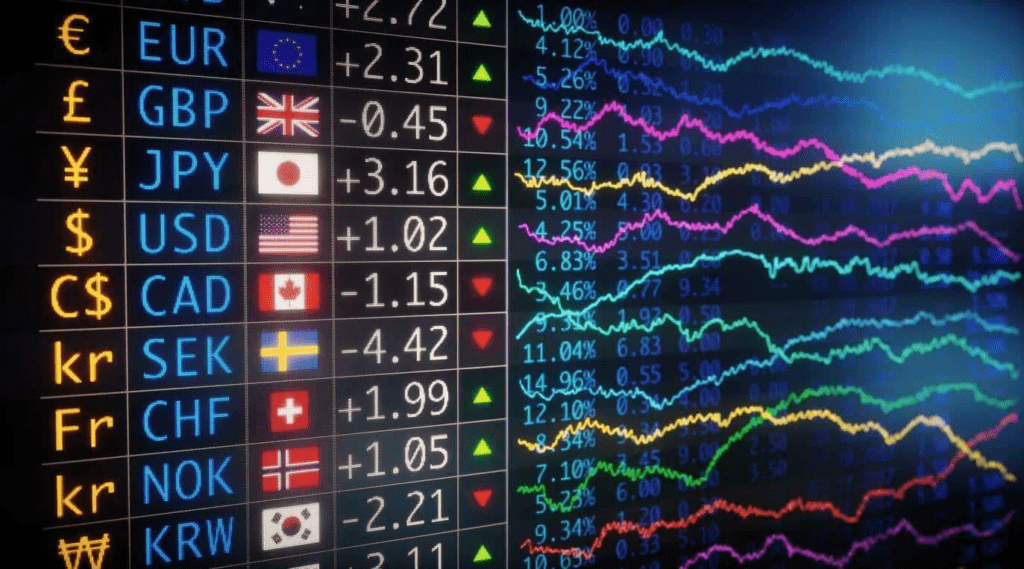
The reason behind this systematic approach is simple drive out the element of guesswork and help traders set up in the most conducive market environment so that they can trade with greater precision and consistency.
10. Emotional Trading
The emotional aspect of trading occurs when fear, greed and frustration result in breaking away from your strategy. This is one of the top reasons traders fail prop firm challenges.
With emotion made irrelevant through its data-driven signals, AI lessens human bias. It gives you trade alerts according to the algorithm and not how someone feels.
Certain systems even incorporate behavioral monitoring to identify emotional patterns, and designates breaks. This is what gives traders the composure they need, focus they require, and artwork on the other hand its less acts by focusing at longer time consistency vs shorter terms immediate reactions.
Why Prop Traders Fail Their Challenges So Presumably (Takeaways)
- Bad risk management: The traders again risk too much per trade and soon reach the drawdown limits.
- Overtrading: Trading unnecessary trades decreases accuracy and losses increase.
- Impatience is one of the reasons behind the Emotional FX trading: Fear, greed and frustration bring in impulsive decisions.
- Trading just to recover from losses, called revenge trading, will usually lead to larger drawdowns.
- Big Size Positions => Accounts blow up easily => Overleveraging
- Disregarding Rules: Infringing on prop firm parameters results in immediate disqualification.
- No strategy: Without a trading plan, performance and results will be erratic.
- Rushed Set: Impatience forcing trades with too little time leads to trade that are not high quality.
- Stop-loss disaster: losses compound when stop-loss levels are shifted or ignored.
- Out of Sync Timing: Entering trades without appropriate market context. Lowers win rate
In conclusion Traders fail prop firm challenge because of — emotional trading, bad risk management, overtrading and ignoring rules If you find this essay interesting please like it share it give feedback on how to improve Such errors can be punished immediately with account loss and disqualification.
But the truth is, AI can enforce discipline, manage risk, purify bad trades due to emotional bias. By taking advantage of AI tools, traders will be able to maintain consistency, discipline and dramatically enhance their odds of success.
FAQ
Overtrading increases transaction costs and losses. AI prevents this by limiting trade frequency and focusing only on strong market signals.
Revenge trading is when traders try to recover losses quickly, often leading to bigger losses. AI helps by detecting emotional behavior and suggesting cooldown periods.
Ignoring rules can lead to instant disqualification. AI helps by embedding firm rules into trading systems and blocking non-compliant trades.
Yes, AI controls leverage by adjusting trade sizes based on account balance and market volatility, preventing excessive risk exposure.
