

This article will help you understand methods to effectively recruit traders to a prop firm and some specific strategies that can help you identify, evaluate and onboard traders. Risk management, consistency, and a clear, adequate compensation plan serve as the building blocks of a disciplined team. Following a deliberate path helps firms compete for the services of the most talented pros while still turning a profit.
What is Prop Firm?
A prop firm lends traders the capital to execute trades to market for forex, stocks, futures, etc. Trading firms recoup their investments and take a profit cut based on the agreed terms. Traders gain access to resources and training to cope with trades while firms scale their trading activities.

Trading in the prop firm is like gambling, but traders lack the financial burden to bear the risk. Prop firms control trading costs with profit sharing, which is the only finance firm business model with no barriers to market entry. Scaling prop firms may have trickle-on effects on the stimulatory economy because firms staff trained traders.
How to Hire Traders for a Prop Firm
Define requirements
Markets (such as forex, stocks, futures), skills, and risk tolerance
Create evaluation process
Discipline, consistency, and profitability
Set clear profit splits
Competitive compensation structures, e.g., 70/30 or 80/20
Assess risk management
Follow strict drawdown limits and position sizing rules
Offer training resources
Mentorship, trading tools, and educational resources
Onboard with contracts
Compliance agreements, capital allocation, profit sharing
Monitor performance
Win rate, risk‑reward ratio, and overall consistency
Create a Trader Scoring System
| Evaluation Criteria | Weight | What to Measure | Scoring Guide |
|---|---|---|---|
| Risk Management | 25 points | Drawdown, position sizing, leverage, stop-loss discipline | 22–25: Excellent; 18–21: Strong; 14–17: Average; <14: Weak |
| Consistency | 20 points | Monthly performance, volatility of returns, losing streaks | 18–20: Highly consistent; 15–17: Consistent; 11–14: Moderate; <11: Unstable |
| Risk-Adjusted Returns | 15 points | Sharpe/Sortino ratio, return relative to drawdown | 13–15: Excellent; 10–12: Strong; 7–9: Average; <7: Weak |
| Profitability | 10 points | Net returns, profit factor, expectancy | 9–10: Excellent; 7–8: Strong; 5–6: Average; <5: Weak |
| Trading Strategy | 10 points | Clear methodology, repeatability, market suitability | 9–10: Robust; 7–8: Strong; 5–6: Adequate; <5: Unclear |
| Trading Discipline | 10 points | Rule compliance, overtrading, revenge trading, execution discipline | 9–10: Excellent; 7–8: Strong; 5–6: Moderate; <5: Poor |
| Market Experience | 5 points | Relevant trading history and market knowledge | 5: Extensive; 4: Strong; 2–3: Moderate; 0–1: Limited |
| Psychological Resilience | 5 points | Response to losses, pressure, volatility, changing conditions | 5: Excellent; 4: Strong; 2–3: Moderate; 0–1: Weak |
| Total | 100 points | Overall trader suitability | 90–100: Elite; 80–89: Hire/Shortlist; 70–79: Further Evaluation; <70: High Risk |
Where to Find Qualified Traders in 2026
Global Trader Rankings
Published yearly, noteworthy rankings display top profit earners in forex, stocks and futures who have excellent risk management.
Elite Prop Firms
Firms such as Jane Street, Citadel, Two Sigma and Jump Trading attract the top traders from the math, finance and coding professions.
Financial Centers
Liquidity and trading ecosystems make New York, London, and Chicago prime trading centers.
Trading Communities
Independent traders run verified track record and strategy trading groups on Discord and Telegram.
Competitions and Challenges
Verified performance under time constraints makes the disciplined traders who participants of broker challenges and the World Trading Cup.
University Talent
Top finance and quantitative schools (MIT, LSE, Chicago Booth) bring traders skilled in finance and analytics.
Build a Trader Screening Process
Proprietary trading firms use a selection process to evaluate candidate traders. Potential traders submit resumes which allow firms to assess the applicant’s trading experience, market focus, and level of risk. Trading simulations are used to assess a candidate’s level of consistency, discipline, and profitability in a live market environment.
Firms evaluate a candidate’s risk management skills by testing trader drawdown limits and position size control. Emotional discipline and stress-based decision making are evaluated with the use of psychological evaluations. After several rounds of interviews, the candidate is presented with the contract for the formal arrangement of profit splits, compliance, and capital allocation. This process is designed to select only the most skilled and disciplined traders for funding.
The Most Important Metric: Risk Management

Capital Preservation: Long term sustainability relies on traders who avoid large losses, but will still manage drawdowns.
Position Sizing: Having a system of consistent size means lowering the overall volatility of the trader’s returns.
Drawdown Control: Traders trade to the firm’s risk threshold and internally manage their limits.
Consistency Over Profit: Deliberative and disciplined traders with consistent and controlled returns are favored over traders with large, infrequent returns who are less disciplined.
Risk-Reward Ratio: These traders operate with an effective risk to reward ratio where trades with higher reward and lower risk are taken over the reverse.
Psychological Discipline: Stress control under volatile markets means adherence to the rules of risk.
Compliance: Firm policies are enforced through trade reporting and adherence to regulations and standards.
Use a Trading Simulation or Evaluation Challenge
| Stage | Objective | Key Metrics | Outcome |
|---|---|---|---|
| Initial Simulation | Test basic trading skills in demo environment | Profitability, trade execution speed | Filters out inexperienced candidates |
| Risk Management Test | Assess ability to control losses | Max drawdown, position sizing | Identifies disciplined traders |
| Consistency Challenge | Evaluate performance over weeks | Win rate, risk‑reward ratio | Ensures steady, reliable returns |
| Stress Scenario | Simulate volatile markets | Emotional control, adherence to rules | Reveals resilience under pressure |
| Final Evaluation | Combine all metrics for decision | Overall profitability, compliance | Selects traders for funding |
How to Structure Trader Compensation
Profit Split Models
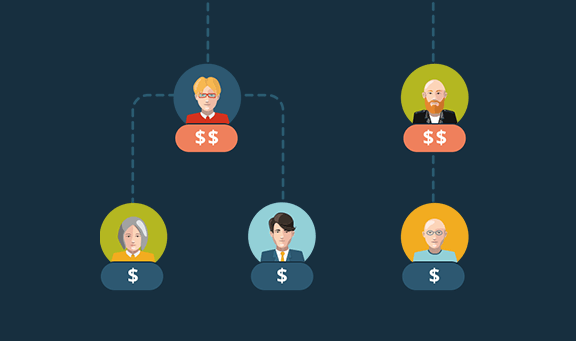
Typically, structures are based around a percentage split of profits (e.g., 70/30 or 80/20). Higher splits appeal to and retain better traders.
Scaling Incentives
To keep traders growing and committed to the firm in the long term, firms will increase either account size or profit share at certain milestones set by the trader.
Performance Bonuses
Traders who set and maintain low drawdowns and high risk/reward ratios deserve trading incentives.
Fixed Stipends
Base stipends provide some certainty, but profits are still shared.
Risk Management Rewards
Another incentive may be a higher profit split or reduced fees as a reward for risk management.
Fee Structures
Evaluation fees and platform costs can be recovered from higher profit splits as a way to incentivize traders while retaining some sustainability for the firm.
Transparency Contracts
Having firm agreements based on payouts, withdrawal times, and scaling will incentivize long-term streaming partnerships.
Comparison Table
The best way to attract the right skills is to strucutre compensation around profitability, discipline, and growth where the interests of the firm are protected.
Common Trader Hiring Mistakes Prop Firms Should Avoid
Ignores risk management
Hiring traders based on the profit potential without analyzing how they manage their risk to avoid blow-ups and drawdowns.
Prioritizes short-term profits
Picking candidates that have large profits but are unstable long-term.
Weak Trader Screening Process
Cutting simulations or evaluation challenges leads to funding unruly traders.
Unclear Compensation models
Failure to define profit split, withdrawal rules, or scaling parameters results in conflict.
Lack of psychological discipline
Failure to have control during stressful situations results in poor adherence to rules and impulsive trading.
Ignores cultural fit
Hiring technically skilled traders that do not have firm values and cultural fit destroys collaboration.
Ignores the need for continuous performance review
Thinking success guarantees future performance without regular checking of success metrics like win rate and risk-reward.
Conclusion
Sustainability, discipline, and growth are key hallmarks of a strong conclusion to a hiring memo for traders in a prop firm. Creating successful prop firms is not just about identifying traders who exhibit profitability, but who demonstrate consistent discipline in risk management, psychological disciplines and are adaptable to the market.
By implementing thorough screening systems, clear compensation structures, and ongoing performance review systems, firms will decrease the likelihood of hiring mistakes and prosper for the long-term.
The most prized traders are those who protect the capital for the firm, allowing the firm to grow via compounding returns. A well structured hiring system and evaluation framework sets the foundation for a win-win relationship with trust, discipline, and growth as the hallmarks.
FAQs
A proprietary trading firm provides traders with company capital to trade financial markets, sharing profits while minimizing personal risk.
They use screening processes, trading simulations, and evaluation challenges to test skills, risk management, and consistency.
Risk management, discipline, consistency, and market knowledge are more valuable than short‑term profits.
Most firms use profit splits (e.g., 70/30), scaling incentives, and performance bonuses to reward traders.
Through global rankings, elite prop firms, financial hubs, online communities, and trading competitions.
